Capacity can be measured in a number of ways. However, it is important to consider any particular test of capacity by reference to the context of the test.
This is highlighted in Schuitema v Schuitema, which relates to a claim regarding the will-maker’s capacity and allegations of undue influence. Matters between the parties were settled and the hearing vacated. However, that was not the end of the matter for the reasons set out at [19], specifically:
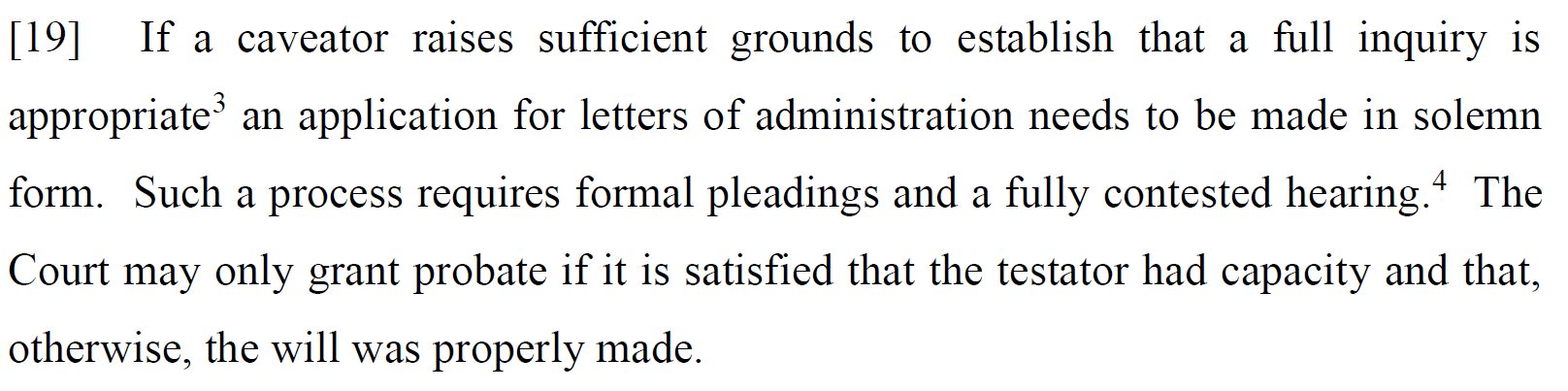
Accordingly, a formal proof hearing was required to determine the outcome of the application for probate in solemn form. The will-maker’s prior stroke was a significant factor leading to the proceedings (coupled with a late will change where her will deviated somewhat from prior wills).
The process surrounding the final will included a GP assessment of capacity. This was considered in light of earlier hospital-based assessments. Importantly a poor capacity assessment does not rule out a subsequent more favourable assessment. As set out at [33]:
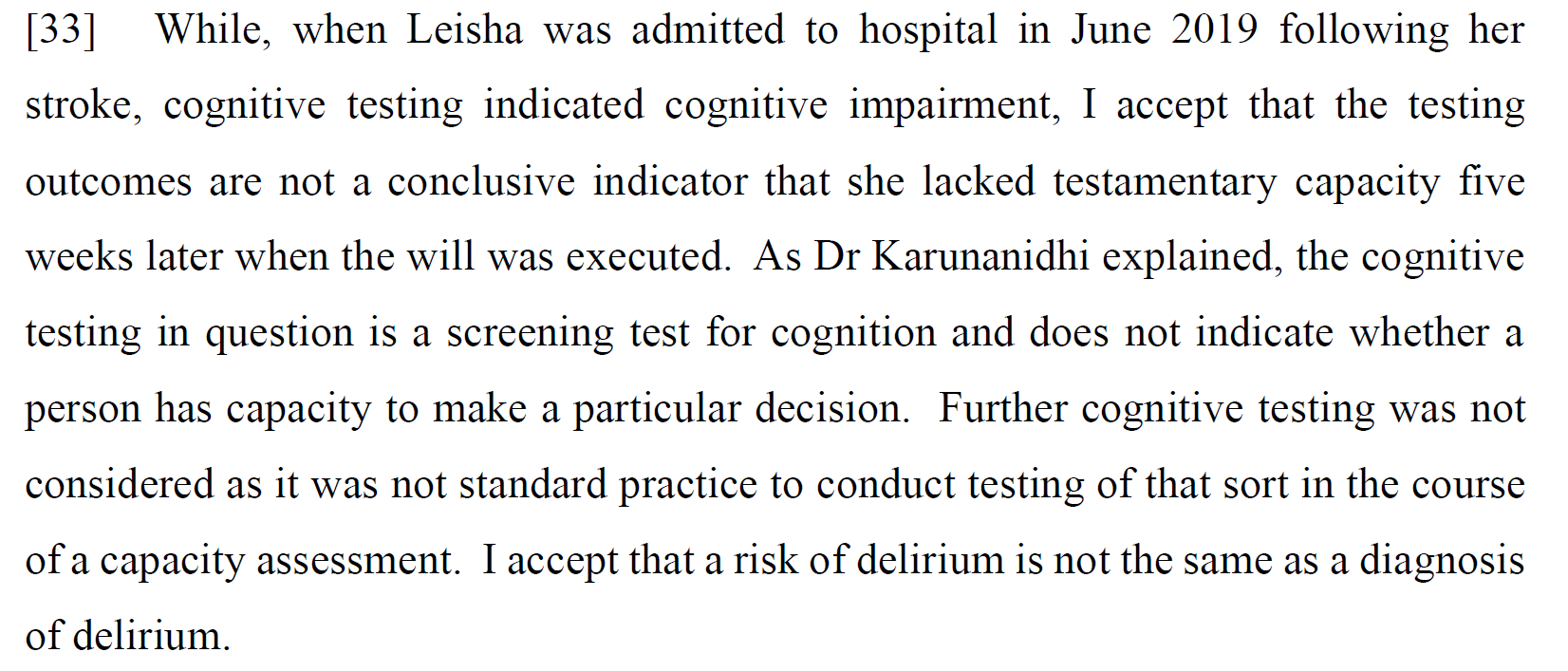
Schuitema v Schuitema was determined on its own facts. However, what it usefully highlights is the need to consider any assessment of capacity in light of the context of the assessment, and with respect to a particular decision.
If you would like to share your views on capacity see the STEP global perspective survey.
References
- Schuitema v Schuitema [2023] NZHC 1473
- High Court Rules, r15.9
- Jurisich v Harris [2016] NZHC 525, [2016] NZAR 754
 Matters of Trust
Cases on sustaining probate caveats are not all that frequent in my state, but the threshold is surprisingly low – perhaps for reasons of practicality, since the caveator knows a good deal less usually.
My case of Woodgate v Hobbs is a lovely, compressed example of how to win these – with the right facts.
The man was terribly ill. The instructions were taken in emergency ward. He’d been choppered in from a country hospital. They were constantly interrupted as he was wheeled in and out for tests.
The judge came up with the point about the poor solicitor asking the wrong question, but Fryberg J was right. What a good point, too.
And I respect the solicitor for doing his duty in extraordinarily difficult circumstances, but the caveat has to stay pro tem. (We settled the action ultimately.)
Link –
Woodgate v Hobbs & Anor [2011] QSC 224
https://www.queenslandjudgments.com.au/caselaw/qsc/2011/224?mview=probate|
Posted by David Marks KC | June 26, 2023, 2:29 am